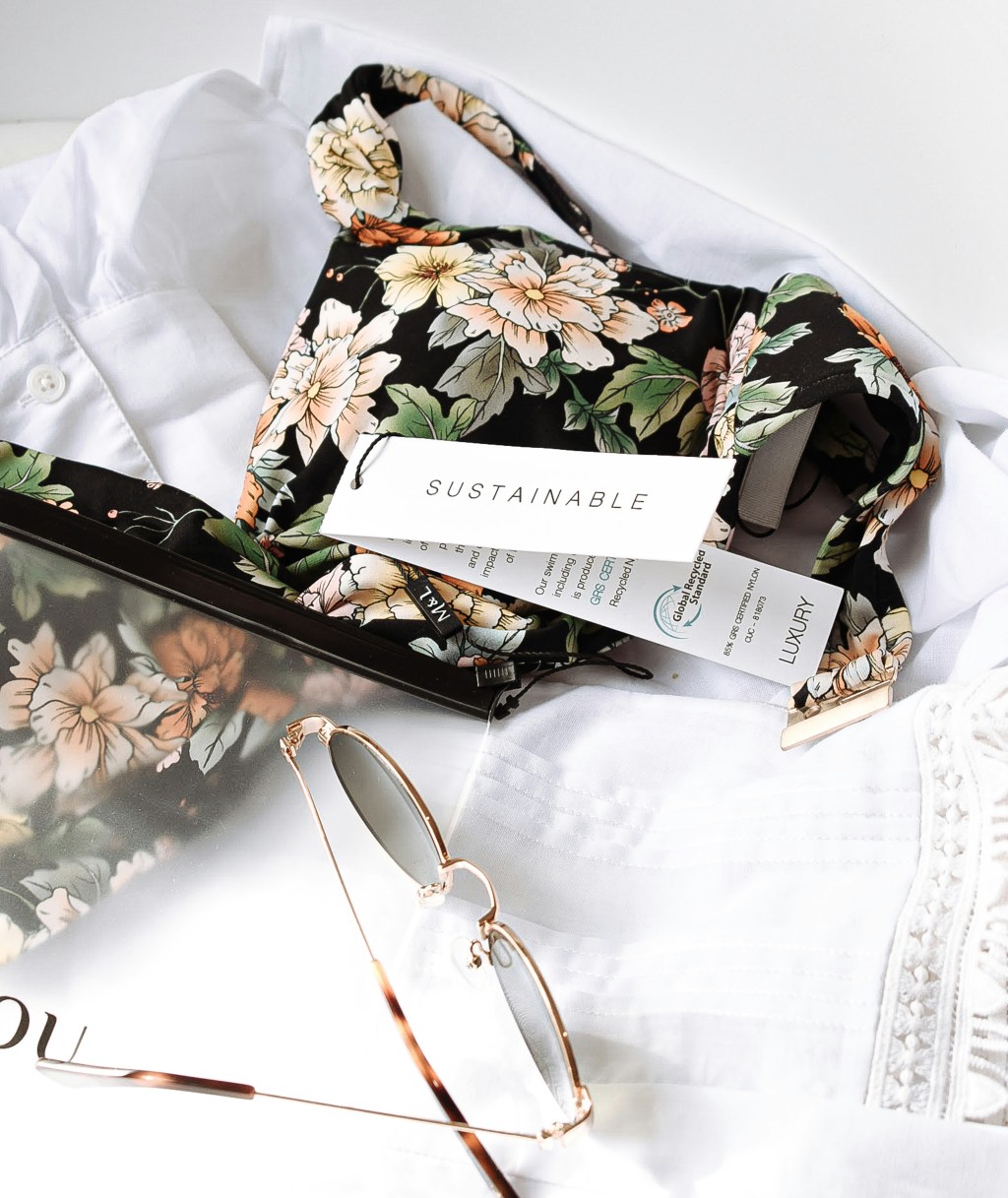
In 2026, fashion isn’t just about what looks good — it’s about what feels good for the planet and people too. As more shoppers prioritize purpose as much as style, sustainable fashion has moved from trend to a new industry standard rooted in eco materials, ethical production, and thoughtful consumption. At Lavenderosy, we’re exploring how this green revolution is reshaping the way we dress — and why it matters now more than ever.
🌿 What Sustainable Fashion Really Means in 2026
Sustainable fashion refers to clothing and accessories designed, produced, and worn in ways that reduce environmental harm and promote social responsibility. This includes using eco-friendly materials like organic cotton, hemp, bamboo, linen, and innovative textiles made from reclaimed resources instead of traditional polluting fabrics. It also embraces ethical production — fair wages, transparent supply chains, and safer working conditions for garment workers around the world.
The shift comes as the fashion industry faces growing scrutiny for its environmental impact — from excessive water use to chemical pollution and waste. Sustainable fashion pushes back against fast fashion’s disposable mentality and champions garments made to last.
Eco Materials Leading the Way
2026 brings an exciting wave of eco-materials that blend innovation with conscience. Here’s what’s redefining sustainable textiles:
🌾 Organic & Natural Fibers
Materials like organic cotton, linen, hemp, and bamboo are becoming core to eco fashion because they require less water and fewer harmful chemicals than conventional crop-derived fabrics.
🔄 Recycled Fabrics
Brands are increasingly using recycled polyester, nylon, and textiles made from post-consumer waste — turning old garments and plastics into stylish new pieces.
🌿 Bio-Based & Innovative Materials
Cutting-edge fabrics like mycelium leather (made from mushroom roots), algae-based yarns, or plant-derived fibers show that sustainability and creativity can go hand-in-hand. These materials reduce dependence on petroleum-based textiles while giving fashion a fresh identity.
This evolution marks a shift from eco fashion being a niche idea to becoming a defining thread in mainstream design — showing that innovation and environmental care can coexist beautifully.
👗 Ethical Style: Beyond Eco Fabric

Sustainability isn’t only about what clothes are made of — it’s also about how they’re made and under what conditions. Ethical fashion focuses on people as much as the planet:
✅ Fair Wages & Safe Workplaces — Ensuring workers are treated with dignity and paid fairly throughout the supply chain.
✅ Transparent Supply Chains — Brands openly sharing where and how garments are produced.
✅ Long-Lasting Designs — Clothing made to last longer, reducing over-consumption and textile waste.
Consumers today — especially Gen Z and young professionals — are pushing brands to take responsibility rather than just market green claims. In 2026, shoppers expect proof of ethical practices, not just buzzwords, and are more likely to support brands that align with their values.
♻️ Why It Matters — And Why You Should Care
The fashion industry is among the world’s most resource-intensive sectors, contributing significant carbon emissions, water use, and pollution. Sustainable and ethical fashion works to reverse that — by cutting waste, supporting cleaner production, and prioritizing human rights.
Here’s how adopting sustainable fashion can make a real impact:
- Less environmental footprint — Eco materials and responsible practices cut water use, chemical waste, and carbon emissions.
- More powerful consumer voice — In 2026, wearing sustainable fashion is a way to express values, not just style.
- Creative innovation — Sustainable fabrics and methods are inspiring fresh design directions, from biodegradable textiles to zero-waste production techniques.
Whether you’re updating your wardrobe or choosing one statement piece, making mindful fashion choices is becoming the ultimate style flex.
🛍️ Tips to Embrace Sustainable Fashion in 2026
Here’s how you can bring sustainability into your wardrobe now:
- Choose quality over quantity — Invest in pieces made to last rather than fast fashion buys.
- Explore eco materials — From organic cotton tees to recycled-fiber accessories, look for sustainability labels.
- Support ethical brands — Follow brands that share transparency about their manufacturing and labor practices.
- Try second-hand & upcycling — Vintage shopping and creative repurposing extend garment life and cut waste.
✨ Final Thoughts
In 2026, fashion is more than aesthetics — it’s a movement. Eco materials, ethical practices, and thoughtful consumption are transforming how we define style. At Lavenderosy, we believe sustainable fashion is not just a trend… it’s the future of chic. Choose consciously, wear proudly, and style sustainably. 💚
I write about life, healing, beauty, and quiet moments.
If my words bring you calm, you can subscribe and walk this journey with me.
 Lavenderosy
Leave a comment