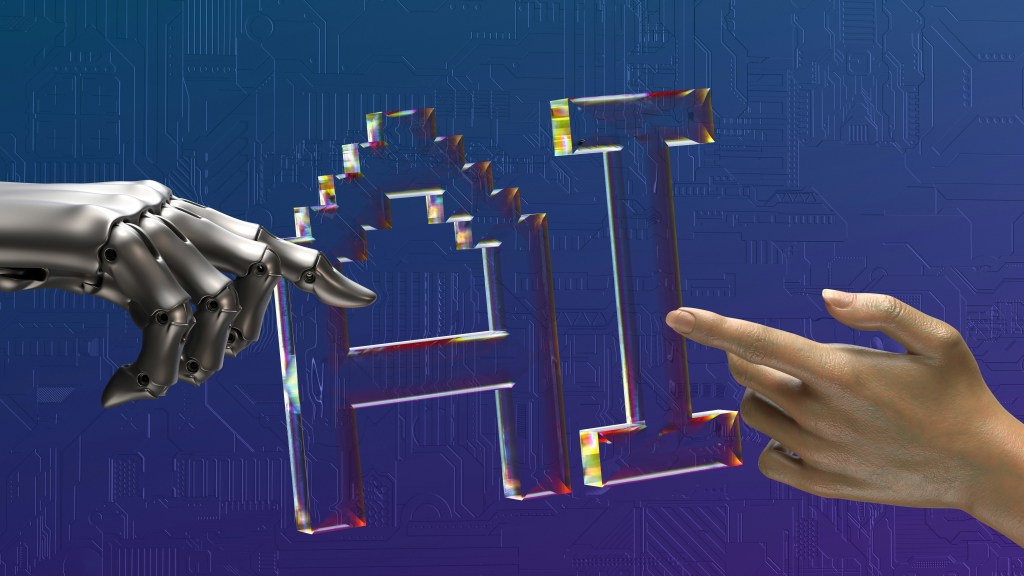
• How to Future-Proof Your Career in an AI-Driven World (2026 & Beyond)

    How to Future-Proof Your Career in an AI-Driven World (2026 & Beyond)

    Artificial Intelligence is no longer a distant concept — it is already shaping how we work, hire, learn, and grow. From automation tools to intelligent assistants, AI is transforming almost every industry. In this fast-changing environment, the biggest question professionals are asking is:

    How do I future-proof my career in an AI-driven world?

    The good news is this: AI is not here to replace humans — it is here to redefine roles. Those who adapt, upskill, and evolve will stay relevant, valuable, and confident in the years ahead.


    Why Future-Proofing Your Career Matters More Than Ever

    Jobs are no longer static. Roles that existed five years ago have changed dramatically, and many new roles didn’t exist at all. Employers now prioritize:

    • Skills over degrees
    • Adaptability over routine work
    • Human judgment over repetitive tasks

    Future-proofing your career means preparing yourself not for one job — but for continuous change.


    1. Build AI Awareness (Not Fear)

    You don’t need to become an engineer or coder to survive in the AI era. What you do need is AI awareness.

    Understand:

    • What AI can do
    • What AI cannot do
    • How AI tools are used in your field

    Whether you work in HR, marketing, finance, education, beauty, or content creation — AI is already part of your industry.


    2. Focus on Skills That AI Cannot Replace

    While machines can analyze data and automate tasks, they still struggle with being human.

    The most future-proof skills include:

    • Emotional intelligence
    • Critical thinking
    • Creativity and storytelling
    • Decision-making
    • Communication and leadership

    These skills grow stronger with experience and awareness — not automation.

    💡 In 2026 and beyond, human skills paired with AI tools will be unstoppable.


    3. Adopt a Lifelong Learning Mindset

    Degrees alone are no longer enough. The future belongs to continuous learners.

    You can future-proof your career by:

    • Learning micro-skills regularly
    • Taking short online courses
    • Staying updated with industry trends
    • Practicing what you learn in real life

    Learning doesn’t mean pressure — it means staying curious.

    Search intent example:

    “How to upgrade skills for future jobs”
    “Best skills to learn in 2026”


    4. Become Tech-Comfortable (Even If You’re Non-Technical)

    You don’t have to master technology — but you should be comfortable using it.

    Start with:

    • AI productivity tools
    • Automation platforms
    • Basic data understanding
    • Digital collaboration tools

    Tech comfort increases confidence and employability — especially in remote and hybrid work environments.


    5. Strengthen Your Personal Brand

    In an AI-driven job market, you are your strongest asset.

    To future-proof your career:

    • Share your knowledge online
    • Build a clear professional identity
    • Highlight your skills, values, and experiences
    • Create digital proof of your work (blogs, projects, portfolios)

    People don’t just hire skills anymore — they hire trust and presence.


    6. Choose Adaptability Over Stability

    The idea of one safe job for life is outdated. The new security lies in adaptability.

    Ask yourself:

    • Can I pivot if my role changes?
    • Am I open to learning something new?
    • Can I evolve with industry trends?

    Careers that survive AI disruption are not fixed — they are flexible.


    7. Align Career Growth With Purpose

    Future-proof careers are not only high-paying — they are meaningful.

    Many professionals in 2026 are choosing roles that:

    • Align with values
    • Promote work-life balance
    • Support mental well-being
    • Create real impact

    When purpose meets skills, careers last longer and feel fulfilling.


    The Future Is Human + AI

    AI will continue to evolve, but the future of work belongs to those who blend technology with humanity.

    Future-proofing your career is not about racing against machines — it is about becoming irreplaceably human while staying digitally smart.

    ✨ The most powerful skill in the AI era is the ability to grow.


    Final Thoughts

    If you want to stay relevant in an AI-driven world:

    • Stay curious
    • Stay adaptable
    • Keep learning
    • Trust your human strengths

    The future is not uncertain — it’s waiting for those prepared to meet it.


    I write about life, healing, beauty, and quiet moments.
    If my words bring you calm, you can subscribe and walk this journey with me.

  • Why Indian Youth Lack Career Clarity — And How They Can Finally Build the Career They Truly Want

    Why Indian Youth Lack Career Clarity — And How They Can Finally Build the Career They Truly Want

    “Career confusion is not a weakness of Indian youth—it is the result of a system that never taught them how to choose.”

    A Generation Full of Potential, Yet Full of Confusion

    India has one of the youngest populations in the world, yet career confusion among Indian youth is at an all-time high. Students spend years studying, earning degrees, and clearing exams—only to feel lost, dissatisfied, or stuck in careers they never truly wanted.

    This confusion is not accidental. It is deeply rooted in social pressure, lack of guidance, fear of failure, and limited exposure. Understanding why Indian youth choose the wrong career path is the first step toward building the right one.


    Why Indian Youth Don’t Have Career Clarity

    1. Career Decisions Are Made Too Early

    In India, students are forced to choose career paths at an age when they barely understand themselves.

    • Science, commerce, or arts is chosen at 15–16
    • Career decisions are taken before exposure to real-world jobs
    • Interests change, but paths remain locked

    When self-awareness hasn’t developed, clarity naturally suffers.


    2. Parental and Social Pressure Dominates Choices

    Many Indian youth don’t choose careers—they inherit them.

    Common expectations include:

    • Engineering or medical for “security”
    • Government jobs for “respect”
    • Conventional roles considered “safe”

    Fear of disappointing parents often overrides personal interest, leading to long-term dissatisfaction.


    3. Education Focuses on Marks, Not Skills

    The Indian education system rewards:

    • Rote learning
    • Exam performance
    • Theory over practical exposure

    As a result:

    • Students don’t discover their strengths
    • Career awareness remains limited
    • Skills demanded by industries are missing

    Degrees are earned, but direction is lost.


    4. Lack of Career Counseling and Exposure

    Most schools and colleges:

    • Don’t offer professional career guidance
    • Don’t explain emerging career options
    • Don’t map skills to real job roles

    Without guidance, youth follow what they see others doing, not what suits them.


    Why Indian Youth End Up Choosing the Wrong Career Path

    1. Fear of Uncertainty

    Choosing a passion-based or unconventional career feels risky.

    Questions like:

    • “What if it doesn’t work out?”
    • “What will society say?”
    • “How will I earn?”

    These fears push youth toward careers that look stable but don’t feel fulfilling.


    2. Comparison and Herd Mentality

    Seeing peers:

    • Cracking exams
    • Getting placed
    • Earning earlier

    …creates panic-driven decisions.
    Career choices made in comparison rarely align with personal values.


    3. Limited Awareness of New-Age Careers

    India’s job market has expanded rapidly, but awareness hasn’t.

    Many youth:

    • Don’t know about hybrid careers
    • Don’t understand skill-based roles
    • Believe success exists only in traditional paths

    This knowledge gap leads to wrong turns.


    How Indian Youth Can Overcome Career Confusion

    1. Pause and Reflect (Before Rushing Again)

    Career clarity begins with self-honesty.

    Ask:

    • What kind of work energizes me?
    • What skills come naturally to me?
    • What kind of life do I want?

    Reflection creates direction.


    2. Separate Career From Social Approval

    A career is lived every day—not by parents, relatives, or society, but by the individual.

    Choosing what feels aligned may take courage, but it saves years of regret.


    3. Focus on Skills, Not Just Degrees

    In today’s world:

    • Skills create opportunities
    • Learning is continuous
    • Career shifts are possible

    Upskilling allows youth to redirect careers without starting from zero.


    4. Seek Real Guidance and Mentorship

    Career clarity improves when:

    • Youth talk to professionals
    • Learn from real experiences
    • Seek mentors, not opinions

    One honest conversation can change a direction completely.


    How Indian Youth Can Build the Career They Want

    Young professional planning career growth in India

    Career clarity is not sudden—it is built.

    Steps to follow:

    1. Accept confusion as part of growth
    2. Experiment before committing
    3. Build skills alongside income
    4. Stop chasing “perfect” decisions
    5. Commit to learning, not just earning

    There is no single correct path—only a conscious one.


    Conclusion: Clarity Comes From Choice, Not Pressure

    Indian youth are not incapable—they are misguided by a system that values safety over self-awareness.

    The moment a young person:

    • Stops choosing for society
    • Starts choosing consciously
    • Invest in skills and self-understanding

    Career confusion begins to fade.

    The career you want already exists—
    it just requires the courage to choose it.

    I write about life, healing, beauty, and quiet moments.
    If my words bring you calm, you can subscribe and walk this journey with me.