Blog

  • A Peaceful Evening I Still Carry Within Me

    A Peaceful Evening I Still Carry Within Me

    There was a time when summers felt alive — not rushed, not heavy, just full of quiet energy.
    From March to August, the climate itself felt different: clear skies, warm sunlight, calm winds, and a softness that touched the heart before the skin.

    I would return from school around 2 p.m.
    My mother would already be waiting, food warm, made with love — the kind of food that doesn’t just fill your stomach, it comforts you. After that, if there was any homework, I finished it quickly. And then, exactly at 4 p.m., without delay, my feet would carry me to my favourite place — the rooftop.

    Up there, the sky felt closer.

    The blue was deep and honest, the clouds pure white, floating freely. I would sit calmly, always facing the east direction, letting the environment sink into me. There was no overthinking then. No stress. No tension. No desires running in my mind.
    It felt as if nature itself had invited me — calling me gently, making me feel that I belong.
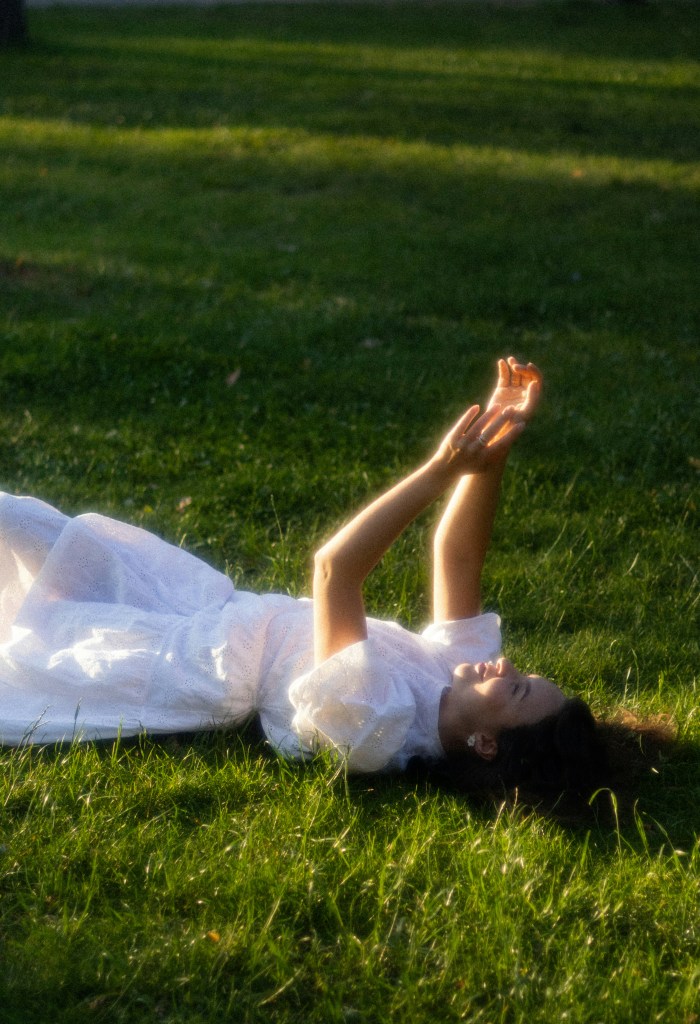
    clear blue sky with white clouds during summer evening

    I enjoyed the evening deeply, but interestingly, I never liked watching the sunset.
    Maybe because sunset indicates endings. And being an emotional soul, I never liked the idea of something ending. I always wanted moments to stay… just a little longer.
    So while others looked west, my face stayed east, absorbing the softness of the evening without witnessing the sun disappear.

    That time of day had a magic of its own.

    By 6 p.m., the neighbourhood would come alive. Children would start gathering — laughter echoing, footsteps running, voices calling each other’s names. That was our signal: playtime had begun.
    We played so many games, danced without music, talked endlessly, laughed loudly. That phase of the evening was filled with togetherness — so pure that none of us wanted it to ever change.

    By 8 p.m., one by one, everyone returned home.
    And the evening — my evening — would gently come to rest.

    Those evenings were the best part of my life.
    A time when I was connected to nature, free with friends, present without trying. Just being.

    Now that I’ve grown up, I realise something quietly painful — no matter how much I want to, I cannot fully recreate that feeling. Life has become faster, noisier, heavier. Responsibilities exist where innocence once lived.
    Yet, somewhere deep inside me, that little version of myself still wants to play.

    I still love to play.
    Maybe not with the same games, not in the same lanes — but the desire is alive.
    Because some evenings don’t leave us.
    They become a part of who we are.

    And whenever life feels overwhelming, I close my eyes and return there —
    to the rooftop,
    the blue sky,
    the white clouds,
    and the calm east-facing breeze of a summer evening that never truly ended.

    — Written with love,
    Dolly

    I write about life, healing, beauty, and quiet moments.
    If my words bring you calm, you can subscribe and walk this journey with me.

  • How to Make Your Home Look Luxurious Without Expensive Items

    How to Make Your Home Look Luxurious Without Expensive Items

    Luxury is often misunderstood as something costly. In reality, a luxurious home is not defined by expensive furniture or designer décor — it is defined by thoughtfulness, balance, and attention to detail. With simple, valuable choices, any home can feel elegant, calm, and refined.

    Luxury is a feeling, not a price tag.


    1. Clean Space Is the First Layer of Luxury

    cozy living room decor with simple furniture

    A clutter-free home instantly feels rich and spacious.

    Luxury interiors always have:

    • open breathing space
    • minimal visible items
    • organized shelves and corners

    Instead of buying décor, first remove what isn’t needed. Simplicity itself is premium.


    2. Neutral Colors Create Timeless Elegance

    neutral color palette creating elegant and luxurious home interior

    Soft, neutral shades naturally elevate a space.

    Think:

    • white
    • beige
    • cream
    • warm grey

    These shades reflect light beautifully and make small spaces feel open. Even with basic furniture, neutral colors give a hotel-like calm.


    3. Lighting Changes Everything

    soft warm lighting creating a luxurious home atmosphere

    Lighting is one of the most powerful yet affordable upgrades.

    To create a luxurious mood:

    • use warm yellow lighting
    • add table lamps or floor lights
    • avoid harsh white bulbs in living areas

    Soft lighting instantly adds depth and warmth — making even basic décor feel elegant.


    4. Fabric Quality Over Furniture Quantity

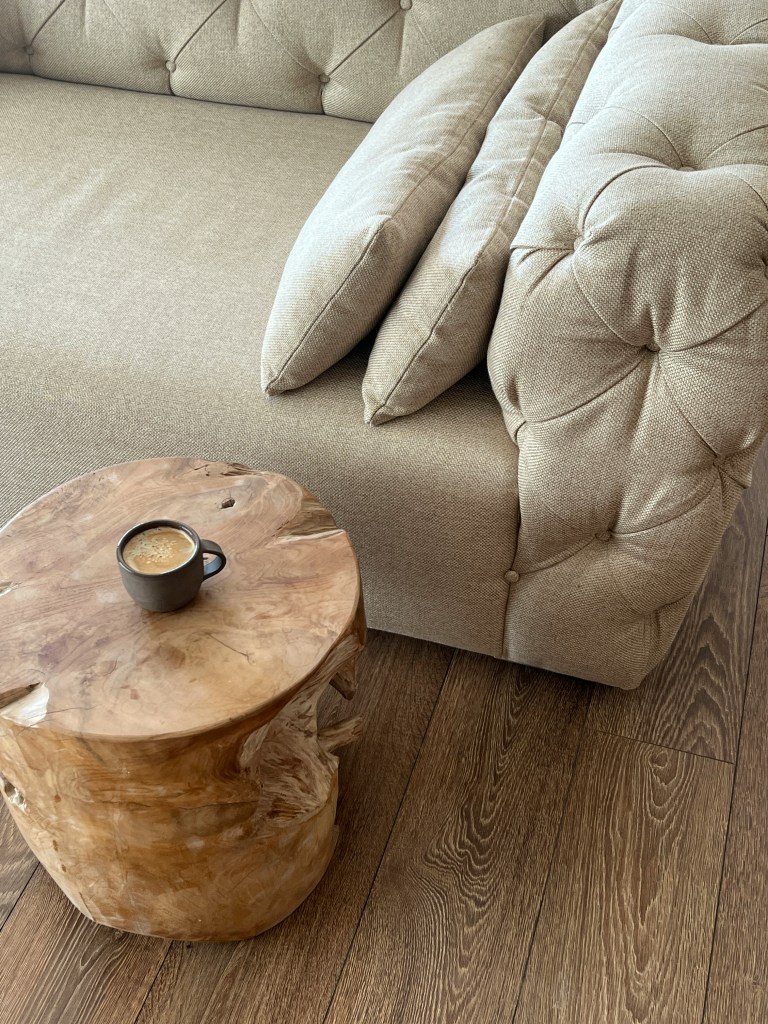
    high quality fabric cushions and curtains for elegant home decor

    Luxury lies in texture, not quantity.

    Simple upgrades:

    • cushion covers in cotton or linen
    • well-pressed curtains
    • clean bed linens

    Good fabric quality makes a space feel intentional and cozy without extra spending.


    5. Symmetry Creates Visual Balance

    symmetrical home decor arrangement creating balanced interior look

    Balanced spaces look calm and expensive.

    Examples:

    • two cushions instead of five
    • matching lamps on both sides
    • aligned frames or décor pieces

    Symmetry brings harmony and order — a key feature of luxury interiors.


    6. Natural Elements Add Quiet Richness

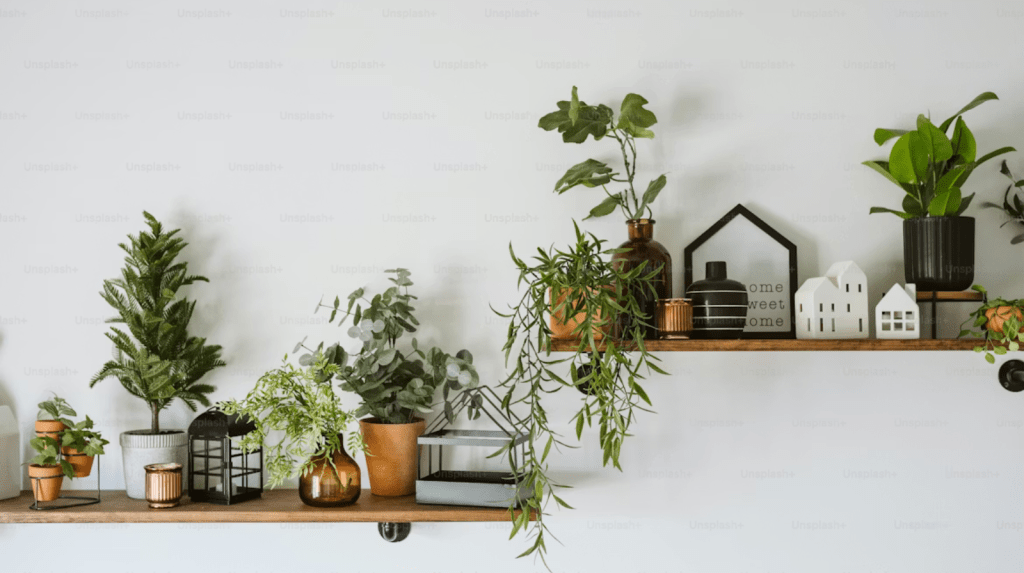
    indoor plants and natural decor elements for a luxurious home

    Nature has its own elegance.

    Bring it indoors with:

    • indoor plants
    • fresh flowers
    • wooden or clay elements

    These pieces add warmth and life, making a home feel grounded and premium.


    7. Scent Is an Invisible Luxury

    calm and soothing home ambiance with natural fragrance

    A well-scented home leaves a lasting impression.

    Simple options:

    • incense
    • essential oils
    • fresh air and sunlight

    Luxury is not just seen — it is felt through the senses.


    8. Personal Touch Makes a Home Truly Luxurious

    personal decorative items creating a warm and luxurious home

    A luxurious home feels lived-in yet refined.

    Personal elements like:

    • meaningful art
    • travel memories
    • handwritten notes

    create emotional richness — something money cannot buy.


    Final Thoughts

    True luxury is calm, not loud.
    It is intentional, not crowded.
    It reflects care, not cost.

    With basic but valuable choices, you can turn any home into a peaceful and elegant space — one that feels rich in comfort, warmth, and soul.

    I write about life, healing, beauty, and quiet moments.
    If my words bring you calm, you can subscribe and walk this journey with me.

  • What Does Success Mean for Today’s Young Generation?

    What Does Success Mean for Today’s Young Generation?

    Success no longer has a single definition.
    For today’s youth, it is not limited to titles, salaries, or societal approval. The meaning of success has quietly evolved — shaped by changing priorities, mental health awareness, digital freedom, and a desire for purpose.

    The young generation is not confused about success.
    They are redefining it.


    Success Is No Longer Just Money

    Money still matters — but it is no longer the only measure.

    Earlier, success meant:

    • a stable job
    • fixed income
    • lifelong employment

    Today, young people ask deeper questions:

    • Am I growing?
    • Is my work meaningful?
    • Can I live without constant stress?

    A well-paid job without peace no longer feels successful to many.


    Freedom Has Become a New Status Symbol

    For today’s youth, freedom often outweighs formal authority.

    Freedom means:

    • choosing where to work
    • managing time independently
    • exploring multiple careers
    • not being trapped in one role for life

    Success now includes the ability to:

    • say no without fear
    • change direction without guilt
    • build something personal alongside a job

    Mental Peace Is Part of Success

    Burnout culture has taught the young generation a hard lesson:
    achievement without mental well-being is not success.

    Today’s youth value:

    • work-life balance
    • emotional stability
    • respectful workplaces
    • personal boundaries

    Success is being able to sleep peacefully at night — not just earning applause during the day.


    Learning and Growth Matter More Than Permanence

    The younger generation understands that the world is changing fast.

    Instead of asking:

    • Will this job last forever?

    They ask:

    • Will this job help me grow?

    Success is now connected to:

    • learning new skills
    • adapting to change
    • staying relevant
    • continuous self-upgrade

    Stagnation is no longer safety — growth is.


    Purpose Is the New Motivation

    Many young people want work that aligns with their values.

    Success feels deeper when:

    • work creates impact
    • effort feels meaningful
    • actions match inner beliefs

    This is why many youths:

    • build side projects
    • start content platforms
    • explore entrepreneurship
    • choose unconventional careers

    Purpose-driven work may grow slowly — but it lasts longer.


    Comparison Is Fading, Authenticity Is Rising

    The younger generation is slowly stepping away from blind comparison.

    Success is becoming personal:

    • your own definition
    • your own pace
    • your own priorities

    Not everyone wants:

    • promotions
    • corporate ladders
    • public validation

    Some just want:

    • calm mornings
    • creative freedom
    • financial independence
    • self-respect

    That choice itself is a form of success.


    Success Is Now a Journey, Not a Destination

    For today’s youth, success is not a finish line.

    It is:

    • evolving
    • flexible
    • self-defined

    Success today means:

    • being allowed to change
    • being brave enough to start over
    • being honest about what truly matters

    There is no shame in redefining success as you grow.


    Final Thoughts

    The meaning of success for the young generation has shifted from external approval to internal alignment.

    Success now includes:

    • peace of mind
    • freedom of choice
    • personal growth
    • emotional well-being

    And perhaps, that is the healthiest definition of success any generation has ever created.

    young professionals seeking work life balance

    I write about life, healing, beauty, and quiet moments.
    If my words bring you calm, you can subscribe and walk this journey with me.

  • Why Do We Turn Toward Spirituality Only After Life Breaks Us?

    Why Do We Turn Toward Spirituality Only After Life Breaks Us?

    Most people don’t choose spirituality when life is comfortable.
    It usually arrives after loss, heartbreak, failure, exhaustion, or deep disappointment.

    This raises a quiet but powerful question:
    Why do we walk the spiritual path after breaking — not before?

    The answer lies in how the human mind, ego, and soul function together.


    Comfort Keeps Us Asleep, Pain Wakes Us Up

    Before breakdowns, life often runs on autopilot.

    • goals
    • achievements
    • relationships
    • social expectations

    When things are “working,” there is little space to question existence or meaning.
    We are busy becoming someone.

    Spirituality begins when we start asking:

    • Why am I feeling empty despite having things?
    • Why doesn’t success feel fulfilling anymore?

    Comfort distracts.
    Pain pauses us.


    Breakdowns Strip Away the Ego

    The ego survives on identity:

    • job title
    • relationships
    • validation
    • plans for the future

    When life breaks us:

    • plans collapse
    • identities feel useless
    • expectations shatter

    This collapse creates inner silence — not by choice, but by force.
    And in that silence, spirituality enters naturally.

    You don’t seek spirituality.
    Spirituality finds you when the ego is tired of pretending.


    Questions Appear Only When Answers Stop Working

    Before pain, we look for solutions outside:

    • advice
    • achievements
    • people
    • motivation

    After pain, none of these work fully.

    That’s when questions shift from:

    • How do I fix this?
      to
    • What is this teaching me?
    • Who am I beyond this pain?

    Spirituality starts when questions turn inward.


    Suffering Creates Depth, Not Weakness

    Society often views emotional breakdown as weakness.
    Spiritually, it is initiation.

    Suffering:

    • softens arrogance
    • increases empathy
    • deepens awareness
    • teaches impermanence

    Without suffering:

    • spirituality feels theoretical
      With suffering:
    • spirituality becomes necessary

    Pain removes illusions.
    Truth becomes important only after illusion fails.


    Why We Don’t Go to Spirituality Earlier

    The honest reason?

    Before breaking:

    • we believe we are in control
    • we believe effort guarantees outcomes
    • we believe happiness is external

    Spirituality challenges all three beliefs.

    No one wants to let go of control voluntarily.
    Life does it for us.


    Spirituality Is Not Escape — It Is Integration

    self reflection after life crisis spiritual growth

    After a breakdown, people don’t seek spirituality to run away.
    They seek it to understand.

    Spirituality offers:

    • meaning instead of blame
    • acceptance instead of resistance
    • presence instead of anxiety

    It teaches us how to sit with pain without becoming it.


    Healing Happens When the Soul Is Heard

    Breaking points crack the surface identity and allow the soul to speak.

    That voice was always there —
    we were just too busy to listen.

    Spirituality is not about becoming someone new.
    It is about remembering who you were before expectations shaped you.


    Final Thoughts

    Most spiritual journeys don’t begin in peace.
    They begin in pain that refused to be ignored.

    Breaking down doesn’t mean life defeated you.
    It means life redirected you.

    And sometimes, the path that begins in darkness
    leads to the most honest light.

    I write about life, healing, beauty, and quiet moments.
    If my words bring you calm, you can subscribe and walk this journey with me.

  • How Jewellery Shapes a Woman’s Personality and Builds Confidence

    How Jewellery Shapes a Woman’s Personality and Builds Confidence

    Jewellery is more than decoration. For centuries, women have worn jewellery not only to enhance beauty, but to express identity, emotion, and strength. A ring, a necklace, or a pair of earrings often carries meaning far deeper than its shine.

    In today’s world, jewellery continues to play a powerful role in shaping a woman’s personality and boosting her confidence — quietly, yet impactfully.


    Jewellery as a Form of Self-Expression

    Every woman has her own way of presenting herself to the world. Jewellery becomes a language when words feel insufficient.

    • Minimal jewellery reflects calm confidence and clarity
    • Statement jewellery shows boldness and individuality
    • Traditional jewellery expresses cultural pride and rooted values

    The jewellery a woman chooses often mirrors how she feels inside — grounded, expressive, elegant, or fearless.


    The Psychological Impact of Wearing Jewellery

    Wearing jewellery can instantly change posture, mood, and presence.

    When a woman wears jewellery she loves:

    • she feels more put-together
    • her body language becomes more confident
    • she carries herself with assurance

    This isn’t vanity — it’s self-respect and awareness of one’s worth.


    Jewellery Enhances Feminine Strength, Not Just Beauty

    Jewellery has always symbolized power and dignity — not weakness.

    From ancient times to modern days:

    • queens wore jewellery as authority
    • women wore ornaments as symbols of status
    • jewellery marked milestones and achievements

    Even today, a simple piece can remind a woman of her strength, journey, and self-belief.


    Cultural Jewellery and Inner Confidence

    Traditional jewellery connects women to their roots. It carries family stories, rituals, and emotional heritage.

    Wearing cultural jewellery often:

    • creates a sense of belonging
    • deepens emotional confidence
    • strengthens identity

    This connection helps women feel secure in who they are, regardless of external opinions.


    Jewellery and Daily Confidence

    Jewellery doesn’t need an occasion to make an impact.

    A small nose pin, subtle earrings, or a delicate bracelet can:

    • uplift everyday outfits
    • improve self-image
    • add grace to daily life

    Confidence grows when a woman feels aligned with herself — jewellery simply supports that alignment.


    Jewellery Is Personal, Not a Trend

    Trends come and go, but personal style stays.

    A confident woman doesn’t follow jewellery trends blindly.
    She chooses pieces that:

    • resonate with her personality
    • match her comfort
    • reflect her inner strength

    True confidence comes from authenticity, not comparison.


    Final Thoughts

    Jewellery does not create confidence — it reveals it.

    When a woman wears jewellery that feels like her, she walks taller, speaks clearer, and feels stronger. Jewellery becomes a companion in her journey — celebrating her femininity, honoring her choices, and reminding her of her value.

    Confidence shines brightest when it comes from within — jewellery simply helps it sparkle.

    I write about life, healing, beauty, and quiet moments.
    If my words bring you calm, you can subscribe and walk this journey with me.
  • Beauty Comes From Your Diet: What You Eat Reflects on Your Skin

    Beauty Comes From Your Diet: What You Eat Reflects on Your Skin

    In today’s world, beauty is often associated with products — creams, serums, treatments, and makeup. But real, long-lasting beauty does not start from a bottle.
    It begins on your plate.

    Your skin, hair, and overall glow are deeply connected to what you eat every day. When your body is nourished from within, beauty naturally shows on the outside — calmly, softly, and honestly.


    Why Diet Matters More Than Products

    Skincare products work on the surface, but food works at the cell level.

    When your body lacks nutrients:

    • skin looks dull or tired
    • hair becomes dry or weak
    • breakouts and inflammation increase

    No expensive product can fully fix what the body is missing internally.
    That’s why a balanced diet is the foundation of natural beauty.


    Foods That Support Natural Skin Glow

    balanced diet healthy lifestyle for beauty

    1. Fresh Fruits and Vegetables

    Colorful fruits and vegetables are rich in vitamins, antioxidants, and minerals that help repair skin cells.

    They:

    • improve skin texture
    • reduce dullness
    • protect against early aging

    Think seasonal fruits, leafy greens, carrots, tomatoes, and berries.


    2. Healthy Fats for Soft, Supple Skin

    Good fats play a key role in maintaining skin moisture and elasticity.

    Sources include:

    • nuts and seeds
    • seeds-based oils
    • homemade, balanced meals

    Healthy fats help reduce dryness and bring a natural glow without heaviness.


    3. Water: The Most Underrated Beauty Secret

    No beauty routine works without hydration.

    Drinking enough water:

    • flushes toxins
    • reduces dryness
    • gives skin a fresh, clear appearance

    Glow cannot exist in a dehydrated body.


    4. Protein for Hair and Skin Strength

    Hair, nails, and skin need protein to stay strong.

    A lack of protein can lead to:

    • hair fall
    • weak nails
    • slow skin repair

    Balanced meals with natural protein sources help your skin renew itself better.


    5. Avoiding Excess Sugar and Processed Food

    What you avoid is just as important as what you eat.

    Too much:

    • sugar
    • fried food
    • packaged snacks

    can trigger inflammation, acne, and uneven skin tone.
    Clean eating doesn’t mean strict dieting — it means mindful choices.


    Inner Health Reflects Outer Beauty

    Skin reacts quickly to:

    • poor digestion
    • stress
    • irregular eating habits

    When your gut and hormones are balanced, your face reflects it. Clear skin often comes from stable routines, home-cooked food, and emotional calm — not instant fixes.


    Beauty Is a Daily Habit, Not a Shortcut

    Real beauty grows slowly:

    • one healthy meal at a time
    • one glass of water at a time
    • one balanced choice at a time

    This kind of beauty doesn’t fade quickly.
    It stays even without makeup.


    Final Thoughts

    Beauty is not about perfection.
    It’s about nourishment, consistency, and self-respect.

    When you treat food as care — not control — your skin responds with clarity and glow.
    A healthy diet is not a trend. It’s a lifestyle.

    I write about life, healing, beauty, and quiet moments.
    If my words bring you calm, you can subscribe and walk this journey with me.

  • How Many Fashion Styles Exist? A Clear Guide to the Main Fashion Categories

    How Many Fashion Styles Exist? A Clear Guide to the Main Fashion Categories

    Fashion is more than clothing — it is self-expression, mood, culture, and personality woven together. People often ask, “How many types of fashion or styles are there?”
    The truth is, fashion does not live inside strict rules, but over time, certain style categories have naturally formed based on lifestyle, culture, and personal choices.

    This article breaks down the most recognized fashion style categories, explained in a simple, relatable way — perfect for anyone exploring fashion, building a personal brand, or starting a fashion blog.


    1. Classic Fashion Style

    classic fashion style outfit for women

    Classic style is timeless, elegant, and structured. It focuses on clean lines, neutral colors, and well-tailored outfits that never go out of trend.

    Key elements:

    • Blazers, trousers, pencil skirts
    • Neutral shades like black, beige, white, navy
    • Minimal patterns

    Best for: Professional settings, formal events, and people who prefer sophistication over trends.


    2. Casual Fashion Style

    casual everyday fashion style women

    Casual fashion is about comfort with effortless style. It suits everyday life and is one of the most commonly followed fashion categories worldwide.

    Key elements:

    • T-shirts, jeans, kurtis
    • Flats, sneakers, sandals
    • Relaxed silhouettes

    Best for: Daily wear, college, errands, and relaxed social outings.


    3. Chic Fashion Style

    modern chic fashion style elegant women outfit

    Chic style blends simplicity with elegance. It looks polished without appearing overdressed.

    Key elements:

    • Monochrome outfits
    • Clean cuts and subtle accessories
    • Structured yet modern pieces

    Best for: Brunches, casual office looks, and minimal fashion lovers.


    4. Bohemian (Boho) Fashion Style

    bohemian fashion style long dress outfit

    Bohemian fashion is free-spirited, artistic, and inspired by nature and travel.

    Key elements:

    • Flowing dresses, skirts
    • Earthy tones, floral prints
    • Layered jewelry

    Best for: Festivals, vacations, creative personalities.


    5. Street Style Fashion

    street style fashion outfit women

    Street style is bold, experimental, and influenced by urban culture and social media trends.

    Key elements:

    • Oversized clothing
    • Hoodies, cargo pants
    • Sneakers and statement accessories

    Best for: Youth culture, trendsetters, and expressive personalities.


    6. Ethnic / Traditional Fashion

    ethnic traditional Indian fashion style

    Ethnic fashion represents cultural identity and heritage. Every country has its own traditional fashion roots.

    Key elements:

    • Sarees, lehengas, salwar suits
    • Handcrafted textiles and prints
    • Cultural jewelry

    Best for: Festivals, weddings, cultural events.


    7. Minimalist Fashion Style

    minimalist fashion style neutral outfit

    Minimalist fashion focuses on “less is more.” It prioritizes quality over quantity.

    Key elements:

    • Solid colors
    • Simple silhouettes
    • Limited accessories

    Best for: Conscious consumers and sustainable fashion lovers.


    8. Vintage Fashion Style

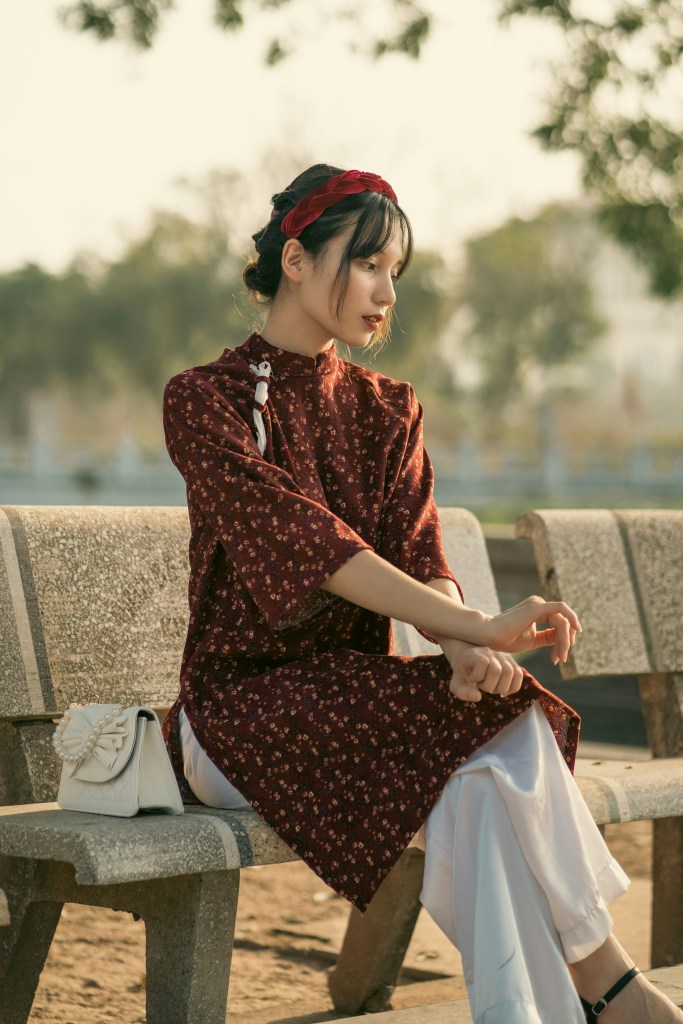
    vintage fashion style retro outfit

    Vintage fashion revives styles from earlier decades and adds a nostalgic charm.

    Key elements:

    • Retro prints
    • High-waist trousers, polka dots
    • Old-school accessories

    Best for: Creative souls who love history and uniqueness.


    9. Sporty / Athleisure Fashion

    sporty athleisure fashion style women

    Athleisure blends athletic wear with everyday fashion.

    Key elements:

    • Leggings, joggers
    • Sweatshirts, sports bras
    • Comfortable footwear

    Best for: Active lifestyles and comfort-focused dressing.


    10. Fusion Fashion Style

    fusion fashion style outfit with traditional and modern elements

    Fusion fashion mixes traditional and modern elements to create something fresh and wearable.

    Key elements:

    • Ethnic wear styled with western silhouettes
    • Modern fabrics with cultural patterns

    Best for: Modern individuals who love experimenting with tradition.


    How Many Fashion Styles Are There Really?

    Technically, there is no fixed number of fashion styles. Trends evolve, cultures merge, and personal preferences create new variations every day. However, these 10 major categories form the foundation upon which countless sub-styles exist.

    Most people do not stick to one style — fashion today is about mixing styles to reflect your personality.


    Final Thoughts

    Fashion is deeply personal. Knowing these style categories helps you understand yourself better, build confidence in your choices, and even create meaningful content if you’re stepping into fashion blogging or influencing.

    Your style doesn’t need permission — it only needs honesty.

    I write about life, healing, beauty, and quiet moments.
    If my words bring you calm, you can subscribe and walk this journey with me.
  • A Mother’s Smile Was My First Understanding of Love

    A Mother’s Smile Was My First Understanding of Love

    When I was a young child, around five or six years old, being the middle child often made me crave love and attention. That need, however, was never left unfulfilled—because my mother wrapped me in her love in ways that felt quiet, constant, and real.

    I spent much of my childhood helping her with household work. Somehow, even at that age, I wished I could free her from the weight of it all. I wanted her to rest, to breathe, to live without tiredness. When the work was done, she would sit in the corridor with her neighbour friends, holding a cup of tea. Whenever she smiled in those moments, it filled me with a happiness I still can’t fully put into words.

    There were days when I even took leave from school simply because there was too much work at home. I would think—there are so many clothes to wash, how will my mother manage all this alone? She will get exhausted.
    So I stayed back to help her. Yet, by her blessings, none of this ever affected my studies. I still ranked first or second in my class. The peace I felt while working beside her back then is something I have never found again in adulthood, no matter what I do.

    When our housework finished before everyone else’s—especially during cleaning days—my mother would become free early. She would sit comfortably on a chair in the balcony, calmly sipping her tea, and smiling at her neighbours. In her Garhwali words, she would say lovingly,
    “Rakhi ki maa, timñ apnu gharu ko kaam kari liyā ?”– (Rakhi’s mother, have you finished your household work?)

    The sense of calm on her face in those moments is something I cannot explain. And when someone asked her, “Kiran’s mother, how did you finish your work so quickly?”
    She would proudly reply,
    “Yes, my Dolly did all the work.”

    The words “meri dolly” (my dolly)—spoken by her—made me feel so deeply loved, as if someone had gathered all the affection in the world and given it to me at once.

    A child finding comfort and love in her mother’s presence

    I was always an emotional child, sensitive to people’s feelings, able to sense emotions and vibes easily. When I looked at my mother, I saw no greed in her heart—not for possessions, not for wealth. She owned no jewellery, wore no expensive clothes, had no savings. Yet the peace and smile that lived on her face felt like her greatest ornament. That happiness was her true wealth.

    She believed deeply in giving. She used to say, “I thank God that my hands are always above—able to give to others, able to help those in need.”
    Her thoughts inspired me more than she ever knew.

    Whenever life presented her with problems, she handled them on her own. She was never afraid of taking risks. She trusted herself completely—believing that the decisions she made were right. And most of the time, they were.

    If I were asked who my role model was during my childhood, my answer would be simple.
    It was my mother.

    And it still is.

    I love her—always.

    I write about life, healing, beauty, and quiet moments.
    If my words bring you calm, you can subscribe and walk this journey with me.
  • How to Make Your Home Clean, Peaceful, and Energetic: A Space That Truly Feels Like Home

    How to Make Your Home Clean, Peaceful, and Energetic: A Space That Truly Feels Like Home

    “A home doesn’t need to be perfect to feel peaceful—it needs to feel cared for.”

    A Home Reflects the Energy We Live With

    A home is more than walls and furniture. It holds our moods, thoughts, and daily rhythms. When a home feels cluttered or neglected, it quietly affects our peace of mind. On the other hand, a clean, calm, and energetic home supports clarity, rest, and emotional balance.

    Creating such a space doesn’t require expensive décor or constant cleaning—it begins with intention, simplicity, and awareness.


    1. Cleanliness Is the Foundation of Positive Energy

    Clean spaces allow energy to move freely. When dust, clutter, and unused items build up, they create visual and mental heaviness.

    What truly helps:

    • Regular dusting and floor cleaning
    • Letting go of broken or unused items
    • Keeping surfaces clear, not overcrowded

    A consistently clean home feels lighter and more breathable, even if it’s small.


    2. Declutter to Reduce Mental Noise

    Clutter is not just physical—it quietly overloads the mind. Too many objects demand attention without serving a purpose.

    Ask yourself:

    • Do I use this regularly?
    • Does this add value or calm?
    • Why am I holding onto this?

    Decluttering creates space not only in rooms, but also in thought and emotion.


    3. Let Natural Light and Fresh Air In

    Sunlight and airflow are natural energy boosters.

    Simple habits:

    • Open windows every morning, even for 15 minutes
    • Keep curtains light and breathable
    • Avoid blocking sunlight with heavy furniture

    Natural light instantly makes a home feel more alive and uplifting.


    4. Use Calm Colors and Thoughtful Decor

    Colors strongly influence mood.

    For a peaceful and energetic home, prefer:

    • Soft neutrals
    • Earthy shades
    • Muted pastels

    Avoid overloading spaces with sharp contrasts. Choose décor pieces that feel personal, not trendy. A home should feel restful, not noisy.


    5. Add Plants and Natural Elements

    Plants quietly refresh both air and energy.

    You don’t need many:

    • One plant in the living area
    • One near a window
    • Fresh flowers occasionally

    Natural elements remind the space to breathe and grow.


    6. Create Order, Not Perfection

    A peaceful home is not magazine-perfect. It is functional and intentional.

    Helpful practices:

    • Fixed places for daily-use items
    • Minimal storage overflow
    • Simple routines for tidying

    When things have a place, the home feels settled.


    7. Keep the Home Emotionally Light

    Energy is also emotional.

    Your home becomes peaceful when:

    • Arguments aren’t carried from room to room
    • Silence is respected
    • Corners are not filled with negativity

    Burn incense, light a lamp in the evening, or simply sit quietly—these small acts reset energy naturally.


    8. Maintain a Gentle Daily Ritual

    Homes respond to consistency.

    Even small habits like:

    • Making the bed
    • Clearing kitchen counters at night
    • Opening windows every morning

    …keep the energy moving and calm.


    Conclusion: A Peaceful Home Is a Daily Conversation

    A clean, peaceful, and energetic home is not created in a day—it is shaped daily through care. When you treat your home with respect, it returns the feeling by supporting you emotionally, mentally, and physically.

    Your home doesn’t need perfection.
    It needs presence, simplicity, and intention.

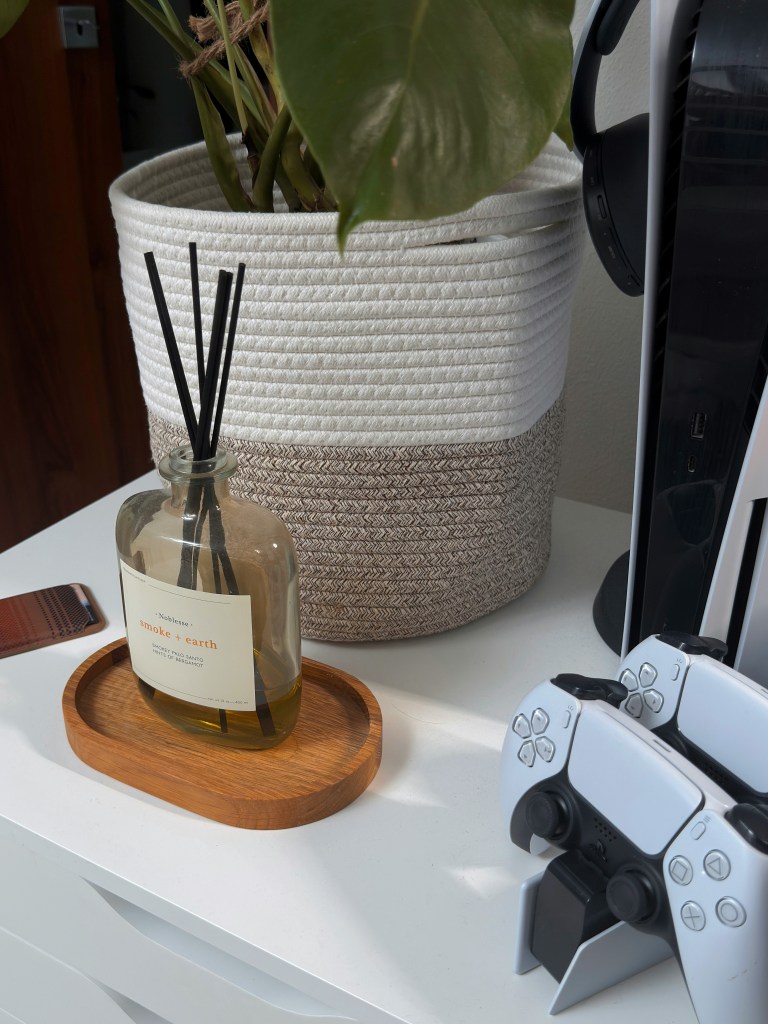
    Well-organized home promoting peace and clarity

    I write about life, healing, beauty, and quiet moments.
    If my words bring you calm, you can subscribe and walk this journey with me.
  • Why Indian Youth Lack Career Clarity — And How They Can Finally Build the Career They Truly Want

    Why Indian Youth Lack Career Clarity — And How They Can Finally Build the Career They Truly Want

    “Career confusion is not a weakness of Indian youth—it is the result of a system that never taught them how to choose.”

    A Generation Full of Potential, Yet Full of Confusion

    India has one of the youngest populations in the world, yet career confusion among Indian youth is at an all-time high. Students spend years studying, earning degrees, and clearing exams—only to feel lost, dissatisfied, or stuck in careers they never truly wanted.

    This confusion is not accidental. It is deeply rooted in social pressure, lack of guidance, fear of failure, and limited exposure. Understanding why Indian youth choose the wrong career path is the first step toward building the right one.


    Why Indian Youth Don’t Have Career Clarity

    1. Career Decisions Are Made Too Early

    In India, students are forced to choose career paths at an age when they barely understand themselves.

    • Science, commerce, or arts is chosen at 15–16
    • Career decisions are taken before exposure to real-world jobs
    • Interests change, but paths remain locked

    When self-awareness hasn’t developed, clarity naturally suffers.


    2. Parental and Social Pressure Dominates Choices

    Many Indian youth don’t choose careers—they inherit them.

    Common expectations include:

    • Engineering or medical for “security”
    • Government jobs for “respect”
    • Conventional roles considered “safe”

    Fear of disappointing parents often overrides personal interest, leading to long-term dissatisfaction.


    3. Education Focuses on Marks, Not Skills

    The Indian education system rewards:

    • Rote learning
    • Exam performance
    • Theory over practical exposure

    As a result:

    • Students don’t discover their strengths
    • Career awareness remains limited
    • Skills demanded by industries are missing

    Degrees are earned, but direction is lost.


    4. Lack of Career Counseling and Exposure

    Most schools and colleges:

    • Don’t offer professional career guidance
    • Don’t explain emerging career options
    • Don’t map skills to real job roles

    Without guidance, youth follow what they see others doing, not what suits them.


    Why Indian Youth End Up Choosing the Wrong Career Path

    1. Fear of Uncertainty

    Choosing a passion-based or unconventional career feels risky.

    Questions like:

    • “What if it doesn’t work out?”
    • “What will society say?”
    • “How will I earn?”

    These fears push youth toward careers that look stable but don’t feel fulfilling.


    2. Comparison and Herd Mentality

    Seeing peers:

    • Cracking exams
    • Getting placed
    • Earning earlier

    …creates panic-driven decisions.
    Career choices made in comparison rarely align with personal values.


    3. Limited Awareness of New-Age Careers

    India’s job market has expanded rapidly, but awareness hasn’t.

    Many youth:

    • Don’t know about hybrid careers
    • Don’t understand skill-based roles
    • Believe success exists only in traditional paths

    This knowledge gap leads to wrong turns.


    How Indian Youth Can Overcome Career Confusion

    1. Pause and Reflect (Before Rushing Again)

    Career clarity begins with self-honesty.

    Ask:

    • What kind of work energizes me?
    • What skills come naturally to me?
    • What kind of life do I want?

    Reflection creates direction.


    2. Separate Career From Social Approval

    A career is lived every day—not by parents, relatives, or society, but by the individual.

    Choosing what feels aligned may take courage, but it saves years of regret.


    3. Focus on Skills, Not Just Degrees

    In today’s world:

    • Skills create opportunities
    • Learning is continuous
    • Career shifts are possible

    Upskilling allows youth to redirect careers without starting from zero.


    4. Seek Real Guidance and Mentorship

    Career clarity improves when:

    • Youth talk to professionals
    • Learn from real experiences
    • Seek mentors, not opinions

    One honest conversation can change a direction completely.


    How Indian Youth Can Build the Career They Want

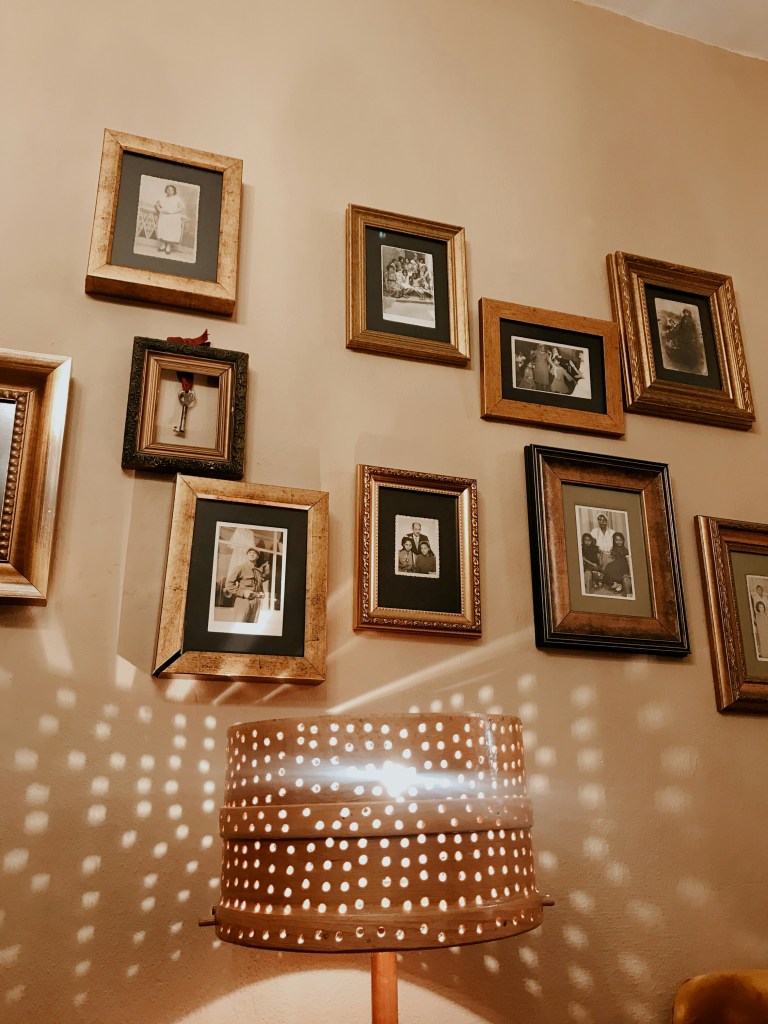
    Young professional planning career growth in India

    Career clarity is not sudden—it is built.

    Steps to follow:

    1. Accept confusion as part of growth
    2. Experiment before committing
    3. Build skills alongside income
    4. Stop chasing “perfect” decisions
    5. Commit to learning, not just earning

    There is no single correct path—only a conscious one.


    Conclusion: Clarity Comes From Choice, Not Pressure

    Indian youth are not incapable—they are misguided by a system that values safety over self-awareness.

    The moment a young person:

    • Stops choosing for society
    • Starts choosing consciously
    • Invest in skills and self-understanding

    Career confusion begins to fade.

    The career you want already exists—
    it just requires the courage to choose it.

    I write about life, healing, beauty, and quiet moments.
    If my words bring you calm, you can subscribe and walk this journey with me.