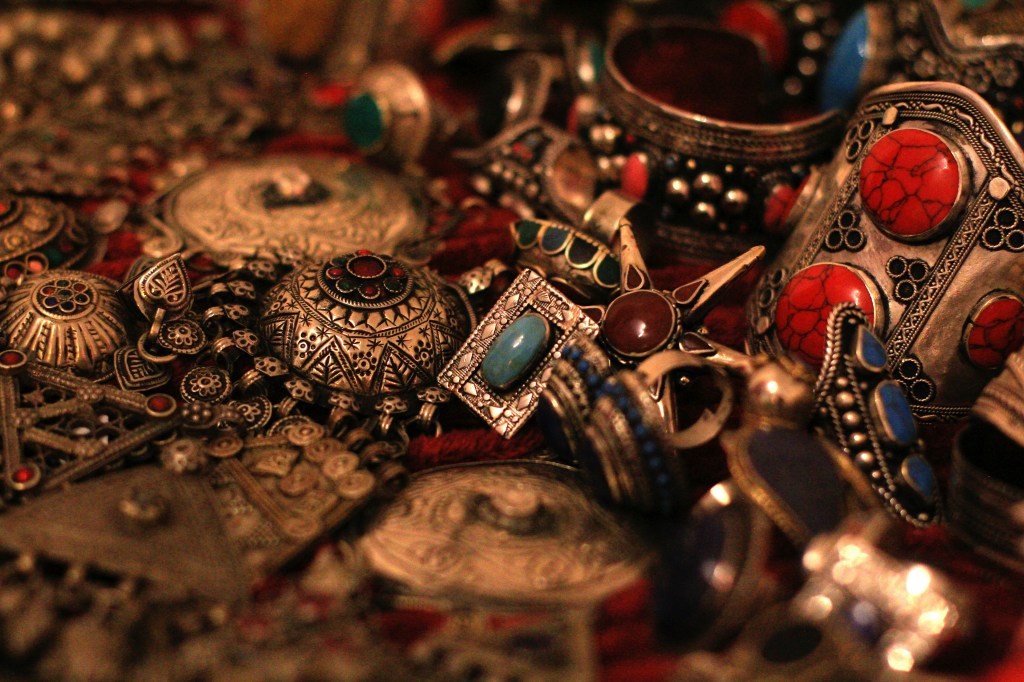
“Adornment that carries meaning, memory, and identity”
Jewellery has never been just an accessory. Long before fashion trends existed, jewellery was already part of human civilization — carrying meaning, power, protection, and emotion. From ancient rituals to modern wardrobes, jewellery has evolved with time, yet its essence remains deeply personal.
The history of jewellery is not only about metals and stones; it is about identity, expression, and the human need to feel connected, valued, and adorned.
🌍 Jewellery in Ancient Times: More Than Decoration
The earliest forms of jewellery date back thousands of years. Ancient civilizations used jewellery for purposes far beyond beauty.
- In ancient Egypt, jewellery symbolized power, divine protection, and status.
- In Mesopotamia, stones and amulets were worn for spiritual safety.
- In India, jewellery held cultural and religious significance, often marking life stages.
- In tribal societies, jewellery represented belonging, strength, and social identity.
Materials included shells, bones, stones, gold, silver, and natural elements — proving that the emotional value of jewellery mattered more than its price.
⏳ From Symbolism to Style: Jewellery Through the Ages
As societies evolved, jewellery transformed with them.
- In royal eras, jewellery became a marker of wealth and authority.
- During the Renaissance and Victorian periods, pieces became more detailed, emotional, and heirloom-based.
- In the 20th century, jewellery shifted toward fashion, self-expression, and personal choice.
What once was reserved for elites slowly became accessible, allowing women from all walks of life to embrace jewellery in their own way.
💎 How Jewellery Became a Trend, Not Just Tradition
Modern jewellery trends emerged when jewellery stopped being only about rules and started becoming about individual preference.
Several factors influenced this shift:
- Changing fashion cycles
- Influence of cinema and media
- Cultural blending across the world
- Women gaining independence and purchasing power
Jewellery became lighter, more versatile, and more personal. Minimalist designs, layered styling, and everyday wear jewellery grew popular — making adornment feel natural, not occasional.
👩 Why Women Are Drawn to Jewellery
Women don’t wear jewellery only to look beautiful — they wear it because of how it makes them feel.
Jewellery represents:
- Self-expression
- Confidence and femininity
- Emotional attachment
- Cultural connection
- Personal milestones
A ring can remind someone of self-worth.
A necklace can feel like comfort.
Earrings can feel empowering.
Jewellery speaks quietly, yet it carries strong emotion.
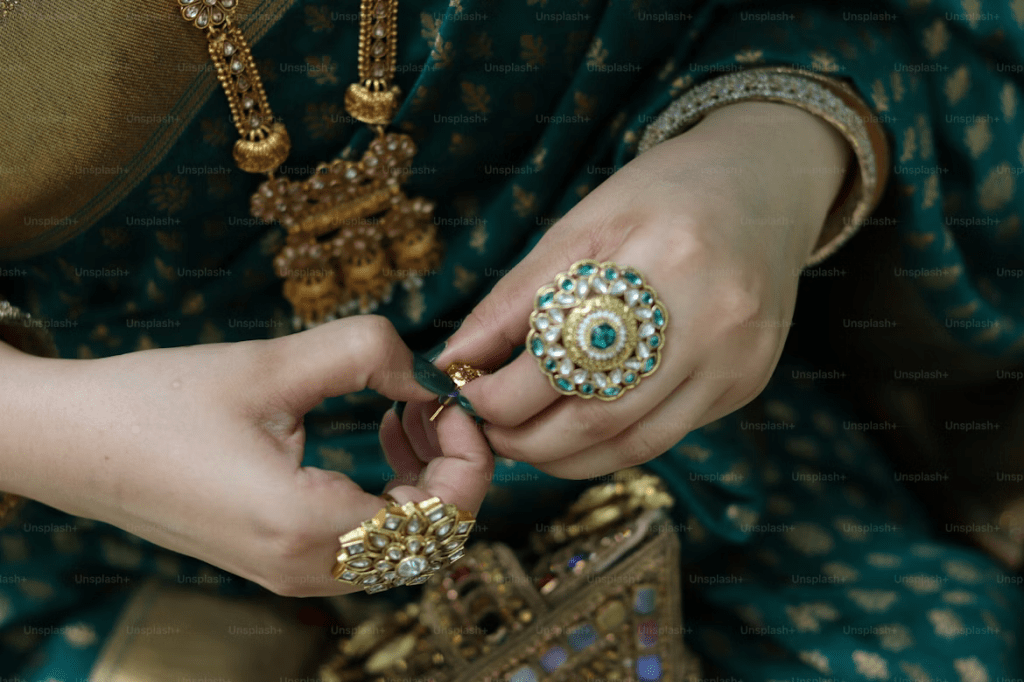
🌱 Jewellery in the Modern World: Meaning Over Excess
Today, women prefer jewellery that aligns with their lifestyle and identity.
- Minimal designs for daily confidence
- Statement pieces for self-expression
- Silver and natural stones for spirituality and balance
- Gold jewellery as heritage and emotional investment
Modern jewellery trends focus on purpose, sustainability, and individuality rather than excess.
🤍 Jewellery as Identity, Not Obligation
What makes jewellery timeless is not trends — it is meaning.
Women today are redefining jewellery:
- Wearing pieces for themselves, not validation
- Mixing tradition with modern style
- Choosing comfort without losing elegance
Jewellery is no longer about following rules; it is about honoring oneself.
✨ Final Thought
Jewellery has survived centuries not because of fashion, but because of emotion. It adapts, evolves, and trends change — but the human connection to jewellery remains unchanged.
Jewellery doesn’t just decorate the body; it reflects the story, strength, and soul of the woman who wears it.
I write about life, healing, beauty, and quiet moments.
If my words bring you calm, you can subscribe and walk this journey with me.
 Lavenderosy
Leave a comment